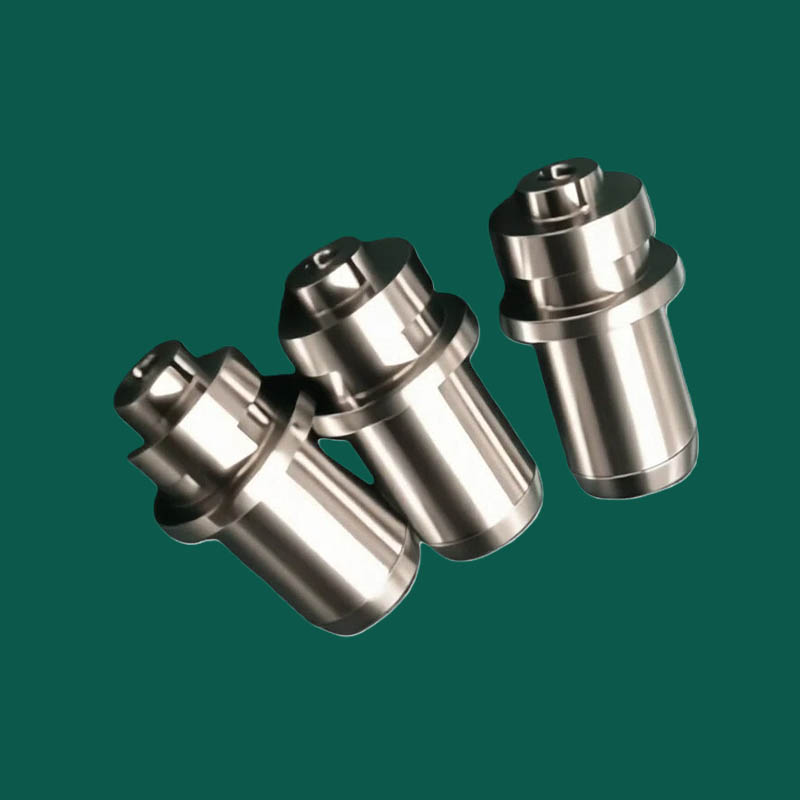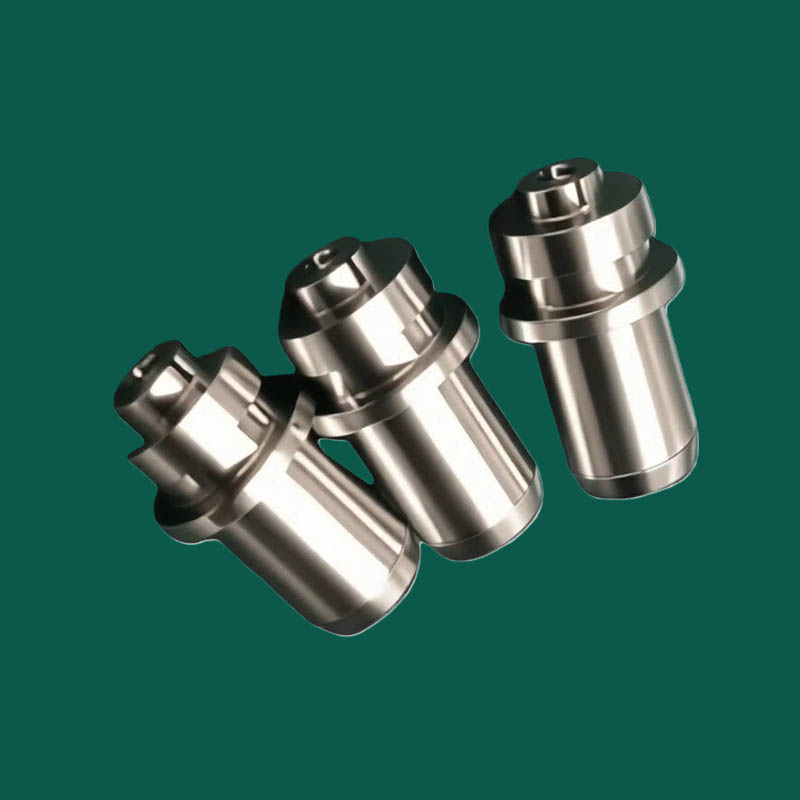

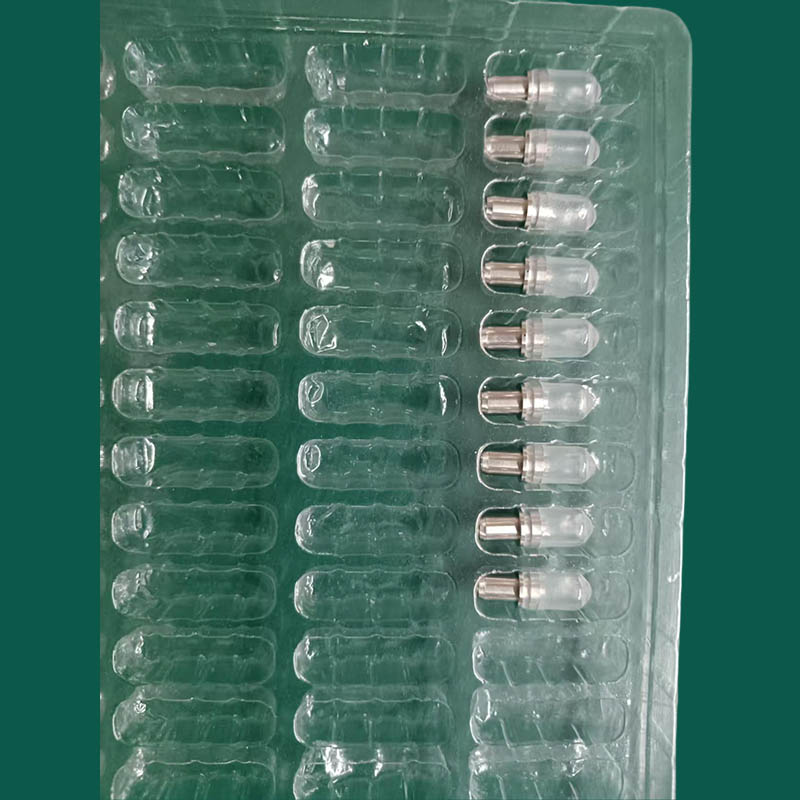
The core function of an adapter is to achieve precise coupling and low-loss transmission of optical signals, and the optimization of return loss depends primarily on the innovative design of its physical structure.
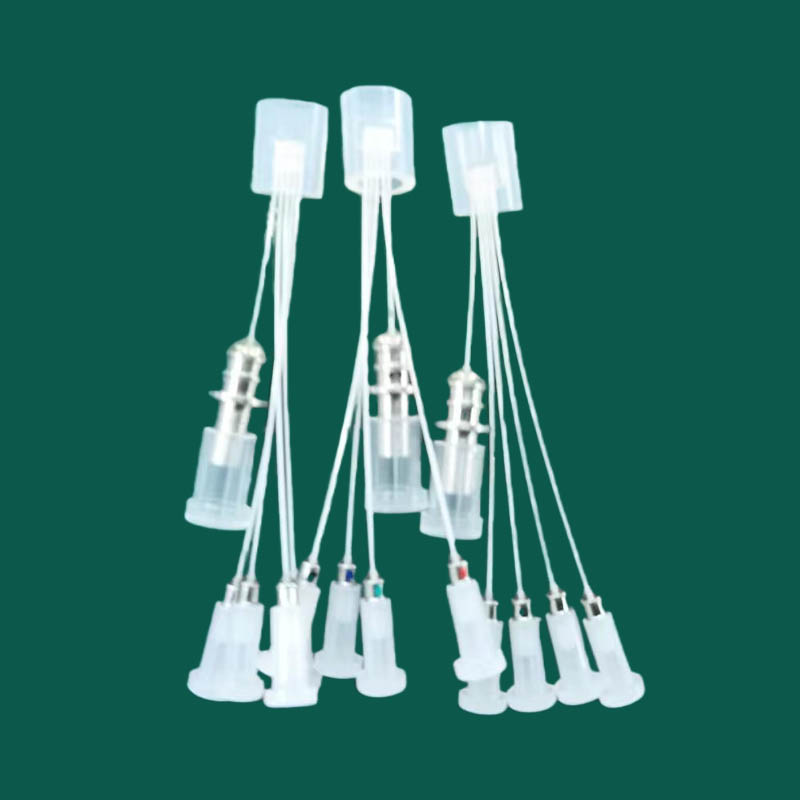
The Arrayed Waveguide Grating (AWG) stands as a cornerstone of modern optical communication, serving as the critical engine behind Dense Wavelength Division Multiplexing (DWDM) systems.
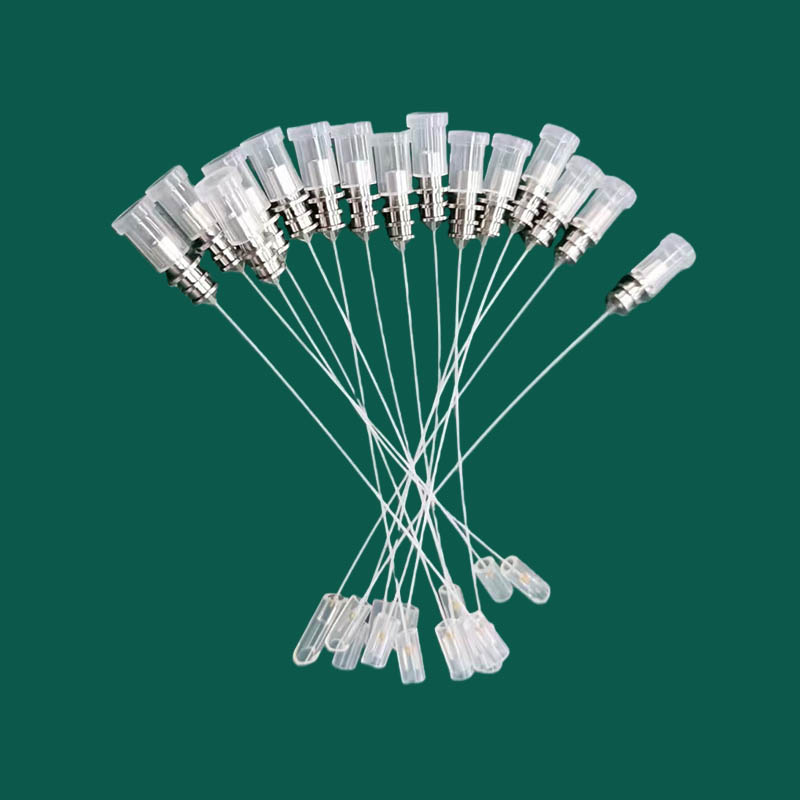
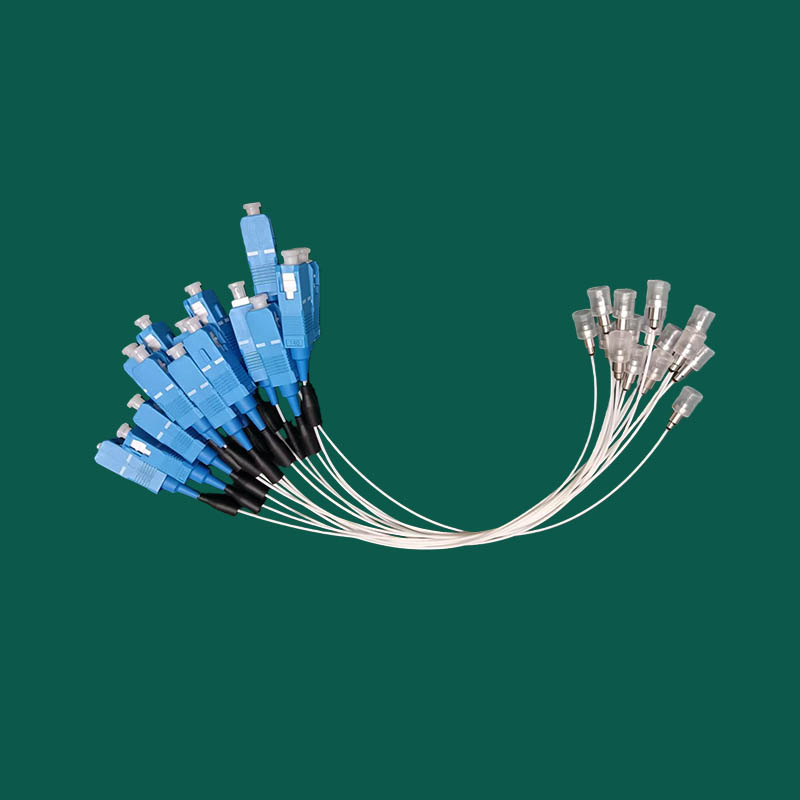
In the grand architecture of optical communication networks, the seemingly tiny fiber optic pigtail plays a crucial role in connecting physical optical cables to precision equipment.
In the grand landscape of the information superhighway, optical communication devices form the physical foundation for data transmission, and fiber optic adapters, as seemingly tiny yet crucial connecting components, play a key role as network hubs.
As the "heart" and "nerves" of the network, one of the core missions of optical communication devices is to improve the signal-to-noise ratio (SNR) and create a clean transmission channel in a noisy physical environment.
In the information-exploding digital age, optical communication networks, like a global neural network, carry massive amounts of data transmitted instantaneously. At each node of this vast network lies a seemingly tiny yet crucial device—the fiber optic a